
As the air becomes cooler and the light begins to soften, autumn naturally prompts us to change pace. The vibrant energy of summer gives way to a season of reflection, warmth, and grounding. Leaves start to dry and fall, the wind becomes more noticeable, and the rhythm of the day gradually slows.

Table of Contents
Asana, Kriya & Lifestyle Practices for a Grounded Season
In yogic and Ayurvedic traditions, this seasonal shift is associated with Vata energy, characterised by qualities like dryness, movement, lightness, and changeability.
While these qualities bring creativity and inspiration, too much Vata can leave us feeling scattered, anxious, stiff, or depleted.
In aligment with the dharmic principle of opposites create balance, introducing practices that cultivate warmth, steadiness, and nourishment are the perfect way to counterbalance potential aggrivation.
The initiation of Autumn becomes the perfect time to adjust your yoga practice, cleansing rituals, and daily habits so your body and mind stay balanced as the season transitions.
Below are a few powerful ways to align your yoga practice with the energy of autumn.
Ground Your Practice with Supportive Asana
When the external environment becomes colder, windier, and drier, our body benefits from practices that feel steady, slow, and grounding.
Instead of exciting, fast-paced flows, autumn yoga often focuses on longer holds, supported postures, and slower, fuller breathing.
Some excellent poses for this season include:
- Child’s Pose (Balasana) encourages rest and nervous system regulation
- Seated Forward Fold (Paschimottanasana) calming and introspective
- Squat Pose (Malasana) grounding and supportive for digestion
- Legs Up the Wall (Viparita Karani) deeply restorative
- Gentle twists stimulate digestion and elimination
Using props can make these practices even more nourishing.
A yoga bolster supports restorative postures and allows the body to release tension without effort. Yoga blocks help maintain stability and alignment in seated or squatting poses, while yoga blankets provide warmth and cushioning during longer holds or relaxation.
Here’s a great class to inspire your Autumn practice:
Balance the Breath with Autumn Pranayama
Pranayama becomes especially important during the cooler months because it helps regulate the nervous system and maintain warmth within the body.
Simple practices that work well during autumn include:
Three-Part Breath (Dirga Pranayama)
Slowly fill the belly, ribcage, and chest before releasing the breath in the same order. This practice deepens oxygen intake and calms the mind.
Alternate Nostril Breathing (Nadi Shodhana)
Balances the nervous system and supports emotional steadiness during times of change.
Ujjayi Breath
The gentle throat contraction creates warmth in the body and encourages slower, mindful breathing.
These breathing practices can be integrated into your asana practice or done independently for a few minutes each day.
Incorporate Yogic Cleansing (Kriya)
Seasonal transitions are traditionally seen as ideal times for gentle cleansing practices.
In yoga, these purification techniques are known as Shatkarma, or cleansing kriyas. One of the simplest and most accessible is Jala Neti, the cleansing of the nasal passages.
Using a Neti pot, warm saline water is gently poured through the nasal passages to remove dust, allergens, and mucus. This practice supports:
- clearer breathing
- sinus health
- improved pranayama practice
- mental clarity
As the air becomes drier and windier during autumn, nasal passages can become irritated or congested. Regular use of a Neti pot helps maintain healthy respiratory pathways and supports overall wellbeing.
Many practitioners find that after practising Neti, breathwork and meditation feel noticeably easier.
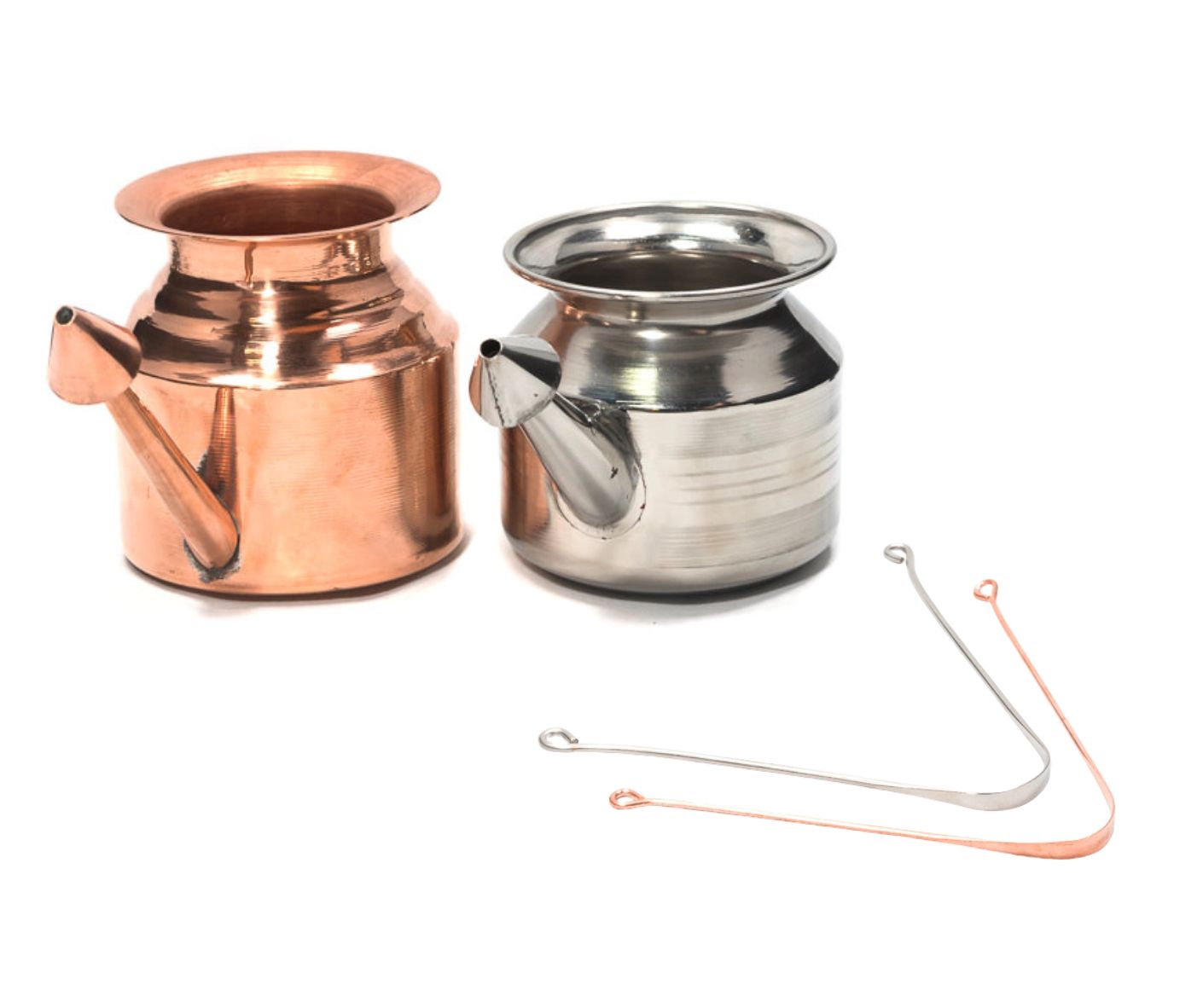 Alongside Neti, tongue scraping is another simple daily cleansing practice that fits beautifully into an autumn routine. In both yoga and Ayurveda, the tongue is seen as a place where residue and toxins can accumulate overnight, leaving the mouth feeling coated, heavy, or stale first thing in the morning. Using a Copper Tongue Scraper each morning helps remove this build-up, freshens the mouth, and supports digestive health by clearing the tongue before eating or drinking. It’s a small ritual, but one that can help you start the day feeling cleaner, clearer, and more connected to your body.
Slow Down Your Practice Rhythm
Autumn naturally encourages a slightly slower pace. As daylight shortens and the air becomes cooler and drier, the nervous system benefits from practices that feel stabilising rather than stimulating. Slowing the pace of practice helps the body gently move away from the high energy of summer and prepare for the more restorative rhythms of late autumn and winter, maintaining warmth, steadiness, and mental calm during the seasonal transition. Instead of pushing for intensity, it can be helpful to focus on steady, rhythmic movement paired with breath.
A gentle sequence might include:
- joint rotations to lubricate dry joints
- slow Sun Salutations
- grounding standing poses such as Warrior and Tree
- seated folds and twists
- longer relaxation in Savasana
Adding a yoga blanket during relaxation can also help the body retain warmth and encourage deeper rest.
Supportyour Body with Seasonal Lifestyle Habits
Autumn is a beautiful time to adjust daily routines to support balance. A few simple lifestyle practices can make a significant difference:
- Prioritise warmth Choose warming foods like soups, stews, roasted vegetables, and herbal teas.
- Maintain consistent sleep rhythms As daylight hours shorten, earlier bedtimes help support the body’s natural circadian rhythms.
- Self-massage with warm oil Known in Ayurveda as Abhyanga, this simple practice nourishes the skin and calms the nervous system.
- Create calming evening rituals Gentle stretching, reading, or meditation in the evening can help counter the scattered energy that sometimes appears during Vata season.
- Create a Practice Space Your environment has a powerful influence on your ability to practice consistently. A comfortable space with supportive props can make the difference between skipping practice and looking forward to it.
Many practitioners enjoy creating a small seasonal ritual space with:
- a comfortable yoga mat
- yoga blankets for warmth and relaxation
- blocks and bolsters for restorative postures
These simple tools support a practice that is sustainable, nurturing, and adaptable to the rhythms of nature.
The Beauty of Practicing with the Seasons
Autumn reminds us that life moves in cycles. Just as trees release their leaves and prepare for winter, this season invites us to slow down, reflect, and nurture ourselves more deeply.
Through grounding asana, balancing breathwork, cleansing kriyas, and supportive daily habits, yoga provides a framework for moving through seasonal transitions with grace.
When we adjust our practice to align with the rhythms of nature, we’re reminded that change doesn’t need to be met with resistance. Instead, we can move with it, observing and embracing what the season brings, responding in ways that support our body and mind. By adapting our practice to meet these shifts, we cultivate a steadiness and resilience that can be carried off the mat, through every season of life.
Support your seasonal practice with the right tools. Explore Yoga King’s range of yoga blankets, blocks, bolsters, Neti pots, and copper tongue scrapers to create a grounding autumn routine that nourishes body and mind.