
If you’ve been thinking about trying yoga practices but keep hesitating because you don’t know where to begin, this guide is for you.
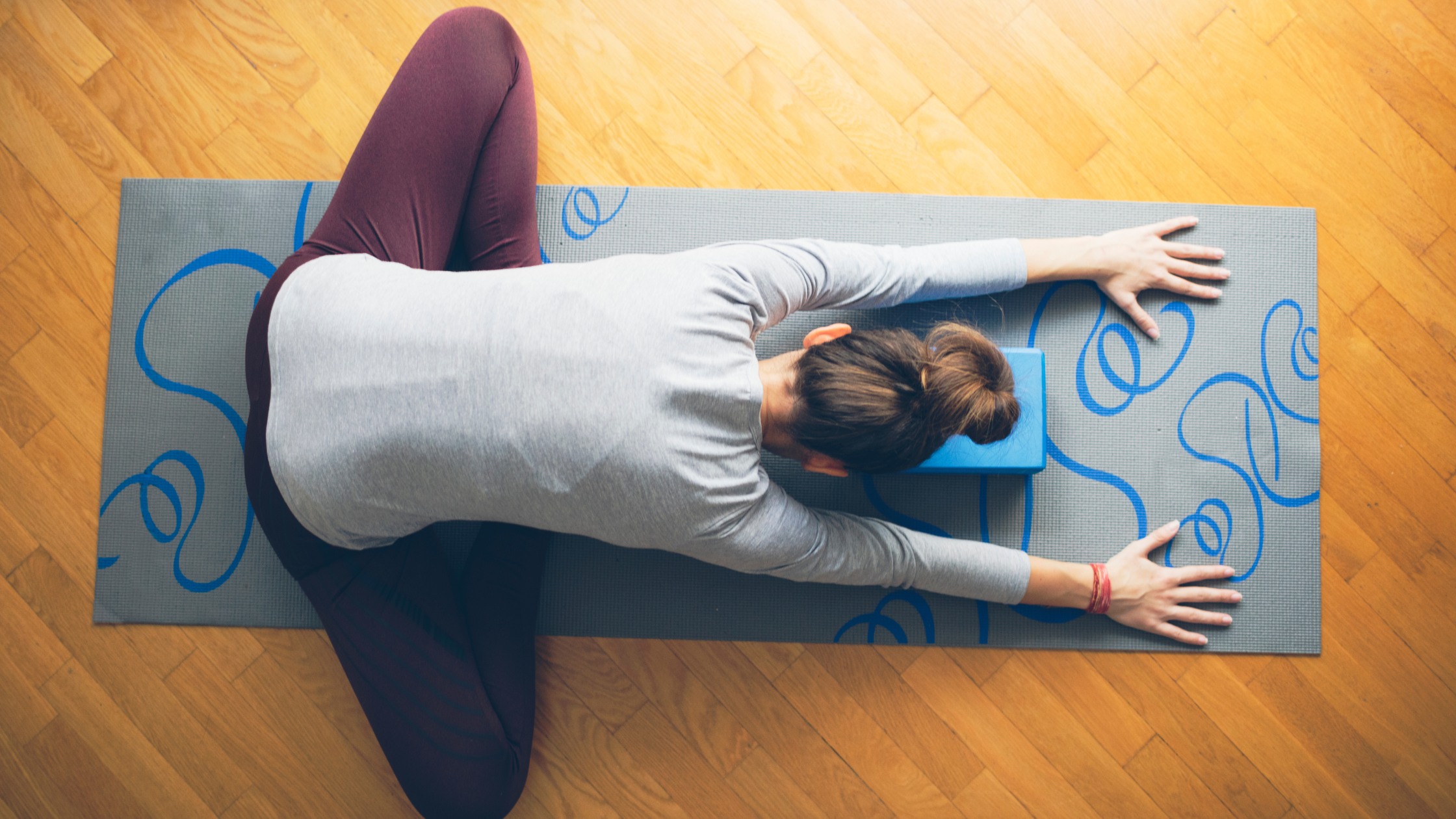
Table of Contents
A Beginner’s Guide to Building a Sustainable Yoga Routine
Yoga is often portrayed as something intimidating, complicated, ultra-flexible, or deeply aesthetic. But in reality, yoga is one of the most adaptable and accessible wellbeing practices available. It quite literally meets you where you’re at, and often supports you in ways you didn’t even realise you needed.
You do not need to be flexible.
You do not need expensive activewear.
You do not need to understand Sanskrit words, meditate perfectly, or be able to touch your toes.
You simply begin where you are.
Whether you’re stiff, stressed, overwhelmed, exhausted, recovering from burnout, returning to movement after years away, or simply curious about feeling better in your body and mind, yoga practices can support you.
And contrary to popular belief, yoga doesn’t need to be complex or ‘advanced’ to be effective.
At its core, yoga-asanas are a practical system designed to help everyday people move better, breathe deeper, regulate stress, improve concentration, support sleep, and create more steadiness in both body and mind.
Sometimes yoga looks like movement and strengthening.
Sometimes it looks like stretching on the floor after a long day.
Sometimes it looks like lying over a bolster and finally taking a full breath for the first time all day.
The beauty of yoga practice is that it can change and evolve with you throughout different seasons of life.
Why Start a Yoga Practice?
Most people initially come to yoga for physical reasons such as tight hips, back pain, or stress.
But over time, many people realise the benefits extend far beyond stretching and stress relief.
A regular yoga practice may help support:
- Flexibility and mobility
- Strength and balance
- Posture and joint health
- Nervous system regulation
- Stress management
- Sleep quality
- Breath awareness
- Energy levels
- Mental clarity and focus
- Emotional wellbeing
Yoga also encourages something many people are deeply lacking in modern life: feeling grounded and present. Even ten quiet minutes on a yoga mat can help cultivate an experience of returning to yourself.
Different Styles of Yoga Asana Practice
One of the most confusing parts of beginning yoga is understanding the different styles of yoga asana available. Here’s a simple breakdown of some common approaches:
Hatha/General: A slower, foundational style focused on holding postures, breathing, and alignment. Excellent for beginners and the general population.
Vinyasa Yoga: A flowing style where movements are linked with breath. Classes can range from gentle to strong and dynamic.
Restorative Yoga: A deeply calming practice supported with props like bolsters, blankets, and blocks. Designed to help the body and nervous system rest and recover.
Yin Yoga: Longer-held floor-based stretches that support mobility, flexibility, and connective tissue health.
Power Yoga: A stronger, fitness-oriented approach focused on stamina, strength, and movement.
Prenatal Yoga: adapted to support the changing needs of pregnancy with breathing practices, pelvic support, and gentle movement.
Yoga Therapy: A more individualised therapeutic application of yoga practices used to support specific injuries, stress patterns, or health concerns.
The best style of yoga practice is the one that supports your body, lifestyle, goals, and current season of life.
Beginner Yoga Poses to Start With
You don’t need dozens of advanced postures to begin practicing yoga effectively. A small collection of foundational poses is more than enough. The main thing is to get in the habit of practicing regularly (daily if you can). Aim for 15-30 minutes, or longer on days when you have more time.
Cat–Cow A gentle spinal movement that helps mobilise the back, shoulders, and hips while connecting movement with breath.

Child’s Pose A resting posture that offers gentle release through the lower back, hips, and nervous system.

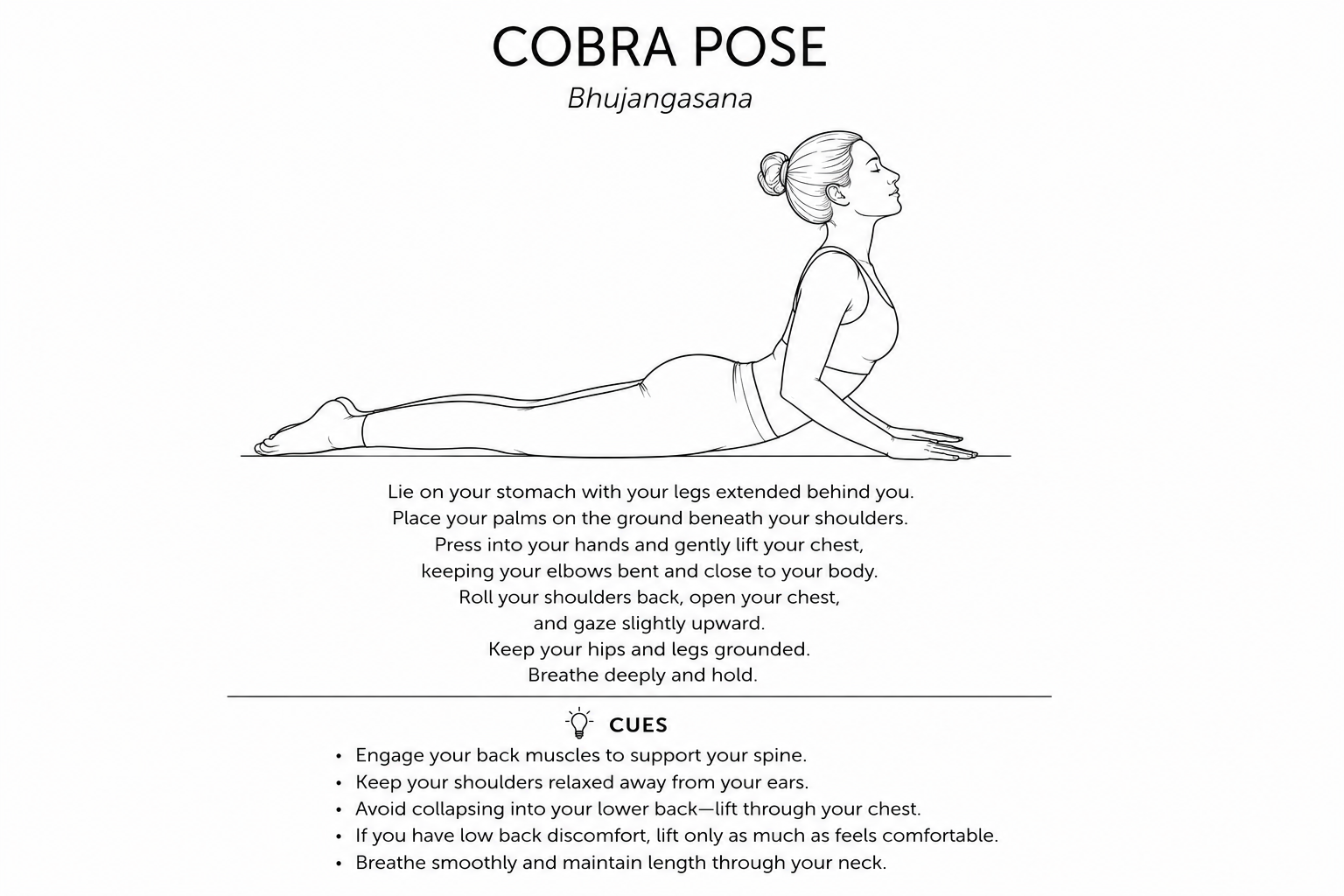
Cobra Pose A gentle backbend that helps strengthen the upper back and open the chest.
Downward Facing Dog A classic yoga posture that builds strength while stretching the calves, hamstrings, shoulders, and spine.

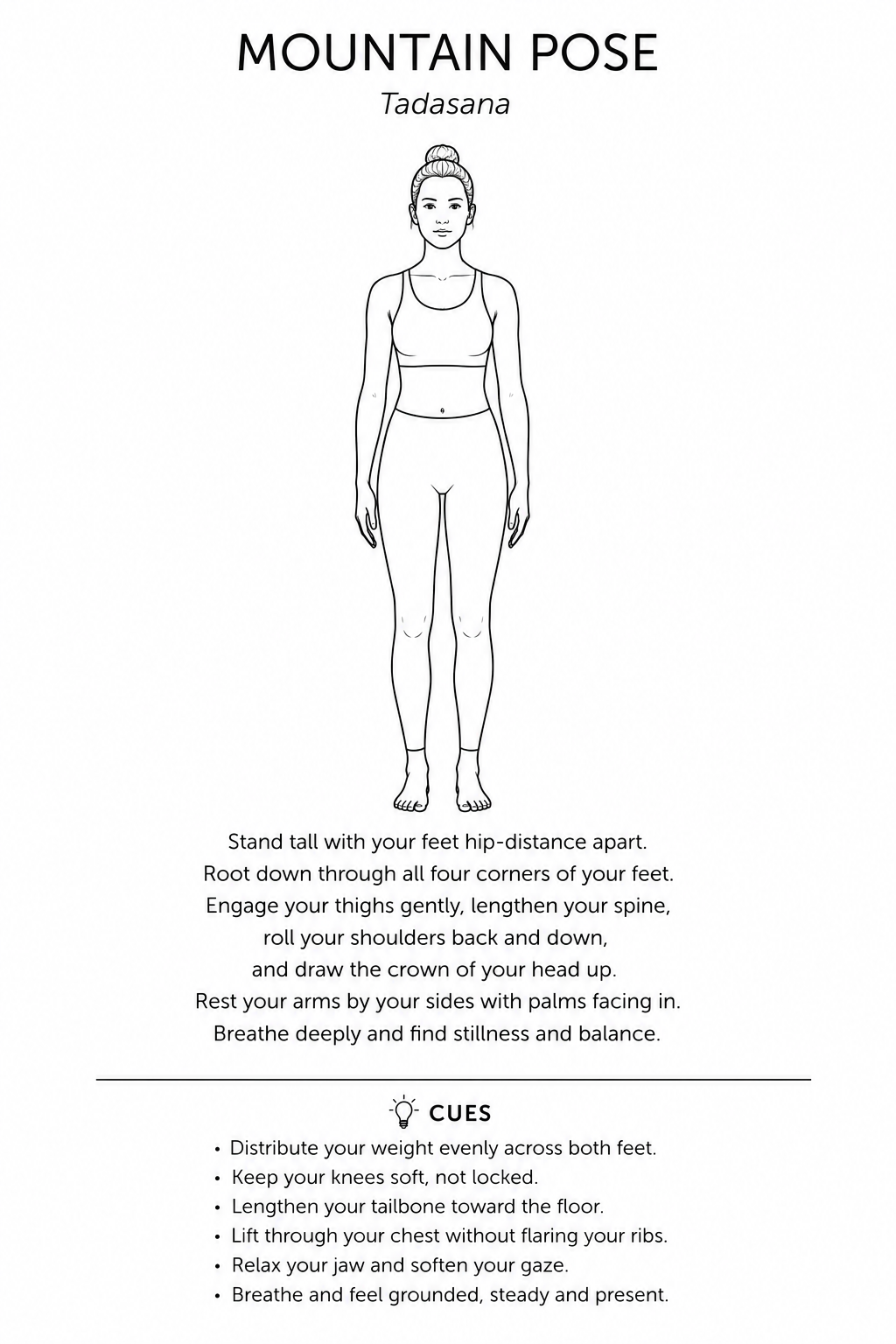
Mountain Pose (Tadasana) A simple standing posture that improves grounding, posture, and body awareness.
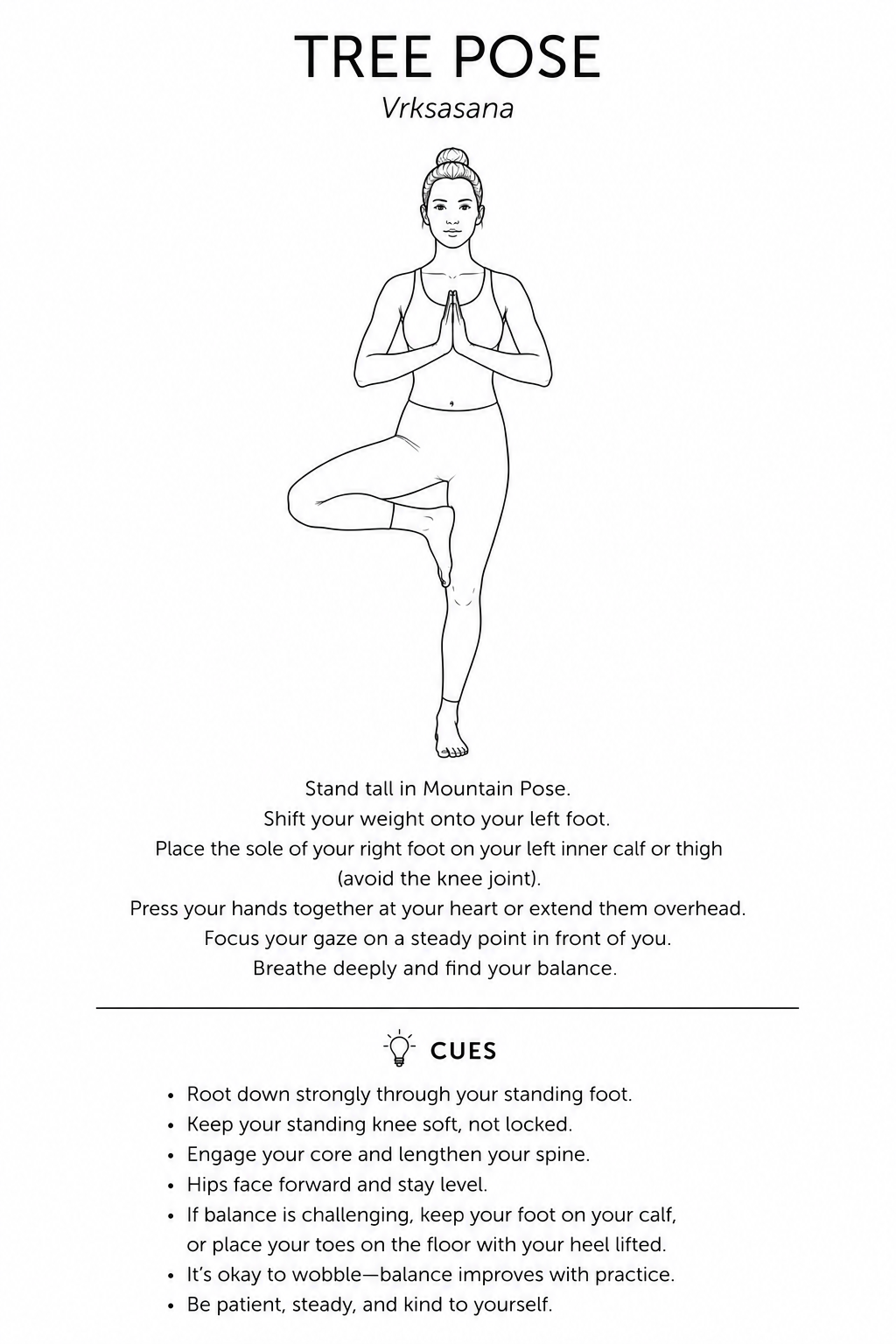
Tree Pose (Vrksasana) A balancing posture that helps improve coordination, focus, posture, and stability while gently strengthening the legs and core.
Bridge Pose A beginner-friendly backbend that helps strengthen the legs and glutes while opening the front of the body.
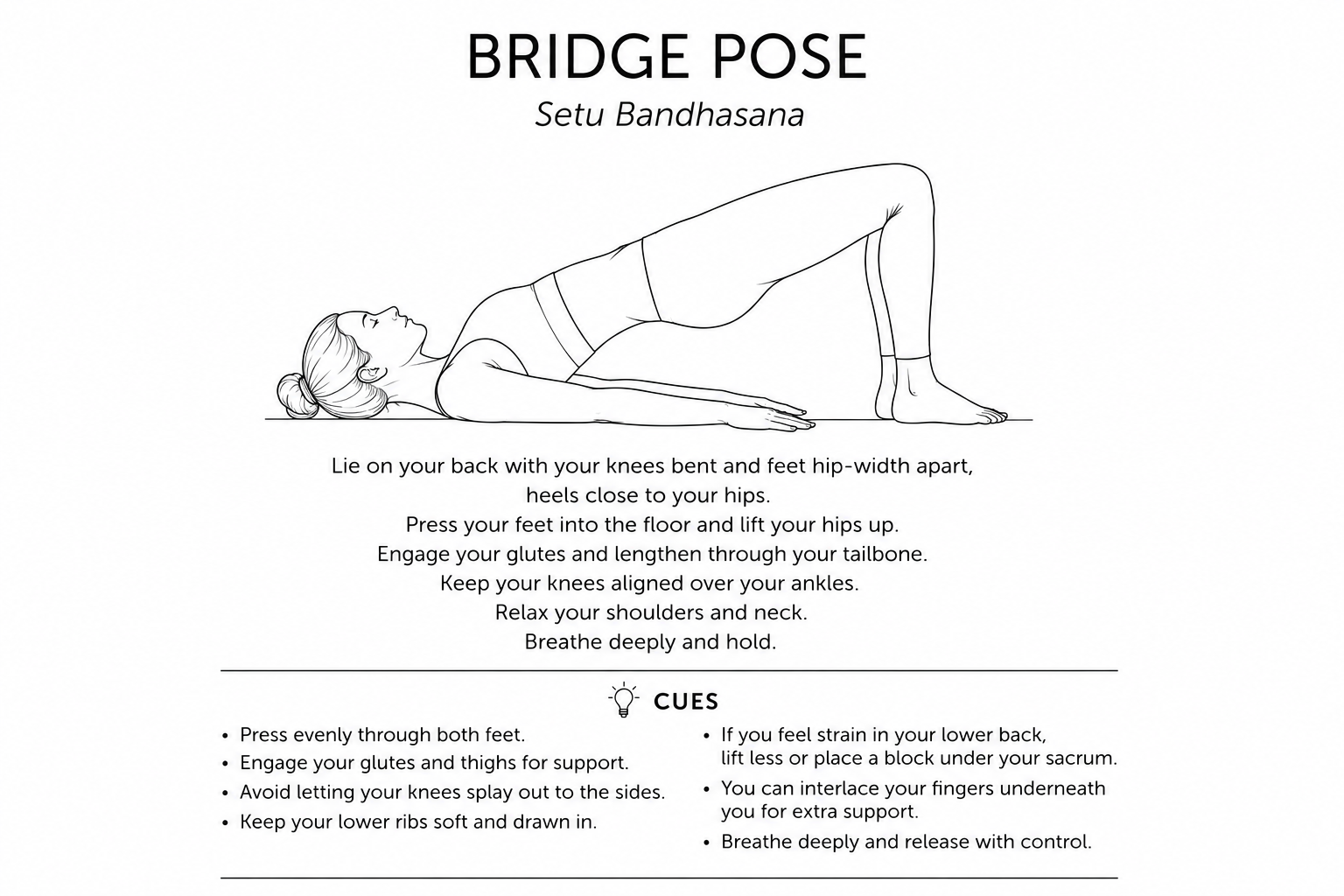
Spinal Twists Gentle twisting movements that can help improve mobility through the spine and release tension from long periods of sitting.

Savasana The final resting pose. Often underestimated, but one of the most important parts of practice for relaxation and integration.

The Role of Breathing (Pranayama) in Yoga
Breathing is central to yoga practice. In yoga philosophy, breath is more than oxygen exchange; it’s connected to prana – prana is the life air that coordinates many of our functions while also carrying our life-force energy.
This is why yoga asana classes often emphasise slow, conscious breathing alongside movement. When the breath becomes rushed and shallow, the nervous system tends to become more reactive. When the breath slows and deepens, the body often shifts toward a calmer, more relaxed state.
Simple breath awareness can become one of the most transformative parts of your practice.
Even learning to pause and take a few slow breaths during the day can elicit a notable difference.
You Don’t Need to Be Flexible!
This deserves repeating. You do not need to be flexible to start practicing yoga asanas.
In fact, many people begin yoga precisely because they feel stiff, disconnected from their bodies, or uncomfortable moving. Yoga helps develop mobility, awareness, coordination, and strength progressively over time.
There is no “perfect” pose. There is simply your body, your breath, and your experience today. And your experience will change each day, according to your mind-body state, the season, stress load etc. That’s part of the magic and beauty of the practice – it meets us where we’re at, and reflects back to us what we need.
Yoga Props: Making Practice More Comfortable and Accessible
One of the biggest misconceptions about yoga props is that they’re only for beginners. In reality, experienced practitioners and teachers use props constantly. Props help make yoga more comfortable, supportive, and accessible for different bodies, abilities, injuries, and energy levels. They also allow restorative and therapeutic styles of yoga to become far more effective.
Yoga Mats A good yoga mat provides grip, stability, and comfort. If you practice regularly, investing in a quality mat can completely change your experience. Whether you prefer natural rubber, cork, jute, or extra cushioning, choosing the right mat depends on your practice style and personal preference. Yoga King offers a wide range of yoga mats suitable for beginners, home practitioners, studios, and experienced yogis alike.
Yoga Bolsters Bolsters are essential for restorative yoga, pranayama, meditation, and supported stretching. They help the body relax more deeply in poses while reducing unnecessary tension and strain. A bolster can completely transform practices focused on stress support, nervous system regulation, fatigue, pregnancy, and recovery.
Yoga Blocks Blocks effectively “bring the floor closer to you.” They provide support, improve alignment, and help make poses more accessible without forcing range of motion. Blocks are useful for beginners and advanced practitioners alike.
Yoga Straps Straps or belts help extend your reach and improve positioning in poses, particularly if you experience tight hamstrings, shoulders, or hips. They’re one of the simplest ways to make yoga asanas more comfortable while gradually improving mobility.
Yoga Blankets Yoga blankets can be folded or rolled to support the knees, hips, spine, neck, or shoulders. They’re especially useful in restorative yoga, meditation, breathwork, and relaxation practices.
Meditation Cushions If sitting cross-legged feels uncomfortable, meditation cushions can significantly improve comfort and posture during seated breathing and meditation practices. A supportive seated position allows the spine to relax upward naturally without unnecessary strain.
Practicing Yoga at Home
Online yoga and home practice have made yoga more accessible than ever. You no longer need to live near a studio or fit your life around class schedules to benefit from yoga. Practicing at home allows yoga to become integrated into your daily life.
Even 10–20 minutes consistently can have a drammitc impact on your health and wellbeing.
A simple home setup might include:
- A yoga mat
- Two yoga blocks
- A quiet corner of your house (or outside!)
- Comfortable clothing
- A short guided class or sequence to follow (until get to know enough techniques to lead your own practice).
A Gentle Reminder for Beginners
Yoga is a practice of returning to yourself — slowly, patiently, and repeatedly.
Start simply.
Breathe steadily.
Use props when you need them.
Rest when you need to rest.
And allow your practice to grow and evolve over time.
Build Your Home Yoga Practice with Yoga King
Whether you’re beginning yoga for the first time or refreshing your practice, having supportive props can make a huge difference in comfort, confidence, and consistency.
Explore Yoga King’s collection of:
- Cork and foam blocks
🌱 Ready to transform your practice? Shop for your ultimate setup at Yoga King Products → head to Yoga-King.com